
Cyber Command, NSA nominee Rudd advances to Senate floor
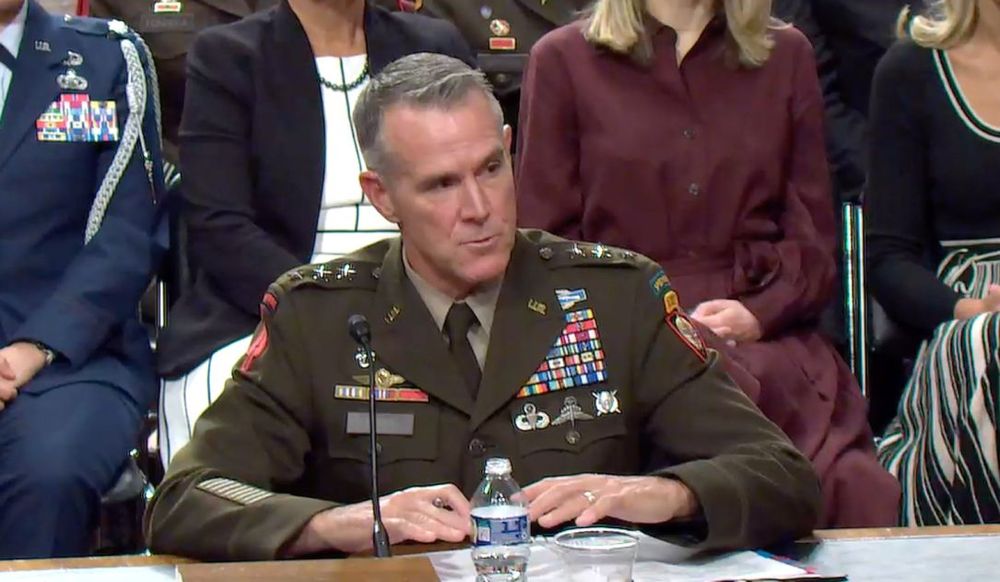
The Senate Intelligence Committee voted on Tuesday to advance President Donald Trump’s pick to be the next head of U.S. Cyber Command and the National Security Agency, sending the nomination to the full chamber.
The panel voted 14-3 to approve Army Lt. Gen. Joshua Rudd, who currently serves as the deputy chief of U.S. Indo-Pacific Command. The Senate Armed Services Committee, which shares jurisdiction over the nomination due to the “dual-hat” leadership structure that governs both entities, approved him by voice vote last month.
Rudd, who has no prior cyber warfare or intelligence experience, sailed through both of his confirmation hearings.
Lawmakers on both sides of the aisle are eager for someone to take command of the military’s top digital warfighting organization and the foreign electronic eavesdropping agency, which have been without a permanent leader for 10 months.
President Donald Trump abruptly fired the last chief, along with his NSA deputy, following a meeting with far-right activist Laura Loomer.
Rudd’s nomination now goes to the full Senate, which could act on it before the end of the week, likely by voice vote. However, any policymaker could place a hold on the nominee for any reason, delaying action.
Late last month, senators confirmed Marine Corps Maj. Gen. Lorna Mahlock, the head of the Cyber National Mission Force, to be Rudd’s deputy and receive her third star.
Brig. Gen. Matthew Lennox, a senior leader at U.S. Army Cyber Command, is still expected to succeed Mahlock as the head of the command’s elite force and receive his second star.



Martin Matishak
is the senior cybersecurity reporter for The Record. Prior to joining Recorded Future News in 2021, he spent more than five years at Politico, where he covered digital and national security developments across Capitol Hill, the Pentagon and the U.S. intelligence community. He previously was a reporter at The Hill, National Journal Group and Inside Washington Publishers.