
Tennessee becomes second state to ban cryptocurrency ATMs over scam concerns
Tennessee Gov. Bill Lee signed a bill late last week to ban cryptocurrency ATMs outright over concerns that the kiosks are being used by scammers to steal money from victims.
The ban, which will go into effect on July 1, makes Tennessee the second state to introduce such restrictions. Indiana outlawed the technology in March, and a similar measure in Minnesota recently passed the Senate and is awaiting a House vote.
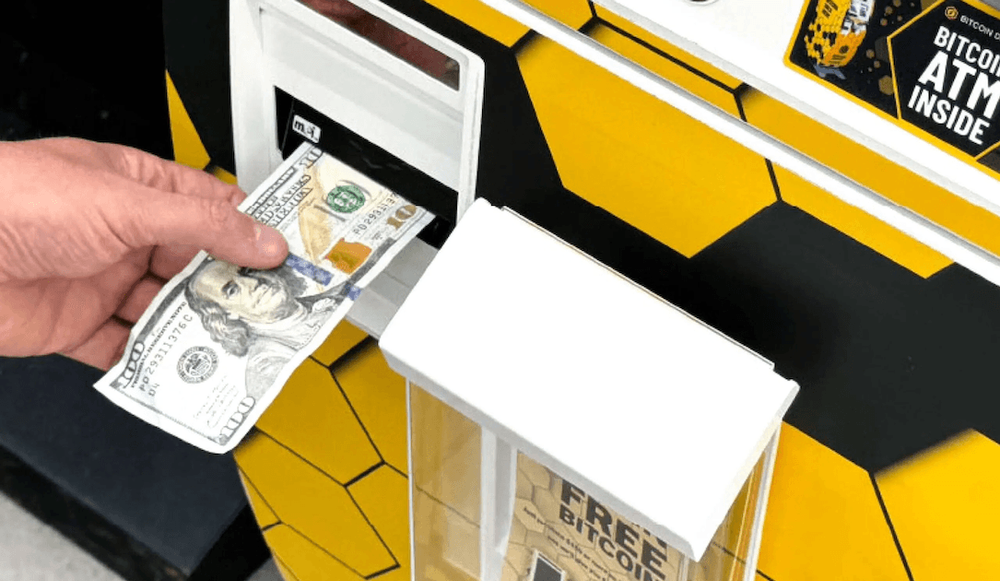
Touted by the industry as an alternative to online exchanges, crypto ATMs allow customers to purchase digital currency with cash and now proliferate nationwide in gas stations and grocery stores. But the companies behind them face increasing regulatory scrutiny amid accusations that they serve as the payment portal of choice for scammers.
At a Tennessee House Commerce Committee hearing about the bill in March, Cumberland County Sheriff Casey Cox outlined how “law enforcement across Tennessee… is increasingly encountering them in connection with fraud schemes that target our most vulnerable citizens.”
His office has observed overseas criminals carrying out government impersonation or tech support cons, as well as romance and pig butchering scams, in which scammers contact victims on messaging platforms and dupe them into handing over money after gaining their trust.
“They use fear and urgency to convince these victims that they must immediately withdraw cash and deposit into these crypto ATM machines,” Cox said, adding that victims are instructed to scan a QR code for quick access to the scammer accounts. “Within seconds, that money is converted into Bitcoin and sent to the criminal digital wallet. What we're seeing is essentially a direct pipeline that allows criminals to turn cash from Tennessee citizens into untraceable digital assets.”
According to the FBI, there were 13,460 complaints related to cryptocurrency ATMs in 2025 involving a combined $389 million in losses — more than two-thirds of which were stolen from people over 60 years old. Several recent investigations by the offices of state attorneys general have raised questions about the crypto kiosk industry and whether the ATMs serve a legitimate purpose. A lawsuit filed in February by Massachusetts against Bitcoin Depot, the largest global kiosk provider, said that among hundreds of customers contacted by the attorney general’s office, more than 80% had been the victims of scams.
Iowa also recently sued Bitcoin Depot and another major provider, CoinFlip, for allegedly profiting from scams, and Washington, D.C. sued kiosk operator Athena in September, alleging that 93% of its transactions in the district were scam related.



James Reddick
has worked as a journalist around the world, including in Lebanon and in Cambodia, where he was Deputy Managing Editor of The Phnom Penh Post. He is also a radio and podcast producer for outlets like Snap Judgment.