
Cryptomixer platform raided by European police; $29 million in bitcoin seized
Law enforcement agencies in Switzerland and Germany have dismantled a major cryptocurrency mixing service long suspected of helping cybercriminals launder illicit funds, Europol said Monday.
The platform, known as Cryptomixer, was one of the world’s largest bitcoin “mixers” — services that blend together cryptocurrency from many users and redistribute it in small, randomized transactions to obscure the money trail. Europol said the service had handled more than €1.3 billion ($1.5 billion) since launching in 2016, with most of the funds tied to criminal activity.
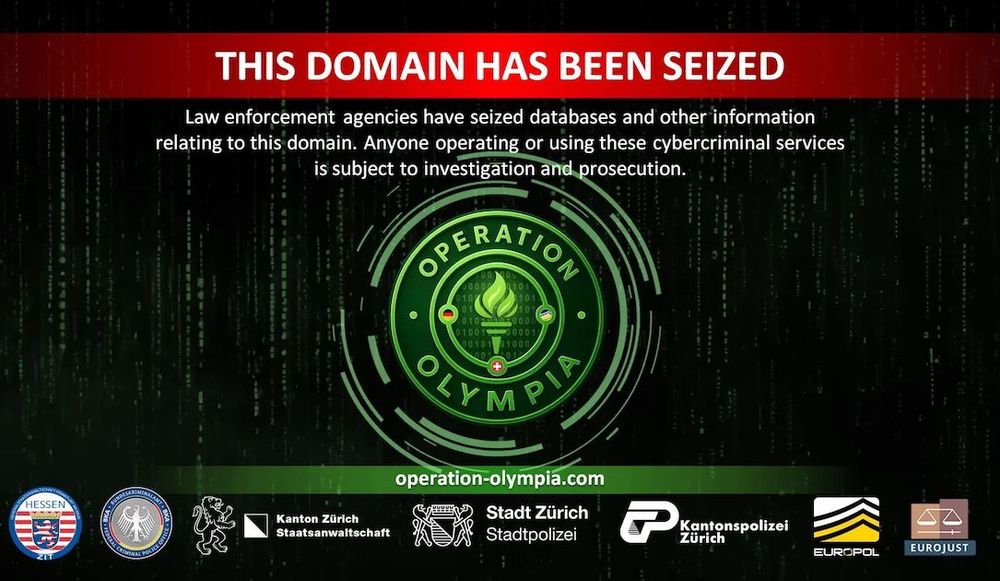
Police seized three servers in Switzerland along with the platform’s website, replacing it with a law-enforcement seizure banner. Authorities also confiscated more than $29 million worth of bitcoin and over 12 terabytes of data, Europol said.
Cryptomixer operated on both the open internet and the dark web, providing anonymity tools to ransomware gangs, dark-market vendors and online fraudsters, authorities said. The service was intentionally built to hide the movement of money on the blockchain, Europol said, making it a go-to tool for criminals to launder profits from drug and weapons trafficking, payment-card fraud, and hacking operations.
Criminals typically pooled deposits for long, randomized intervals before the service quietly redistributed “cleaned” funds to fresh crypto wallets — a process that often preceded cash-outs via exchanges, ATMs or bank accounts.
The takedown is the latest in a string of enforcement actions targeting crypto mixing services.
In May, German police seized infrastructure belonging eXch, confiscating more than $30 million in digital currency. Last year, German and U.S. authorities seized four servers linked to ChipMixer and roughly $46.5 million in bitcoin.
The U.S. Treasury has also targeted mixers with sanctions, designating Blender.io in 2022 and Tornado Cash later that year.



Daryna Antoniuk
is a reporter for Recorded Future News based in Ukraine. She writes about cybersecurity startups, cyberattacks in Eastern Europe and the state of the cyberwar between Ukraine and Russia. She previously was a tech reporter for Forbes Ukraine. Her work has also been published at Sifted, The Kyiv Independent and The Kyiv Post.