
Armenia’s pro-Europe party wins election despite Russia-linked disinformation
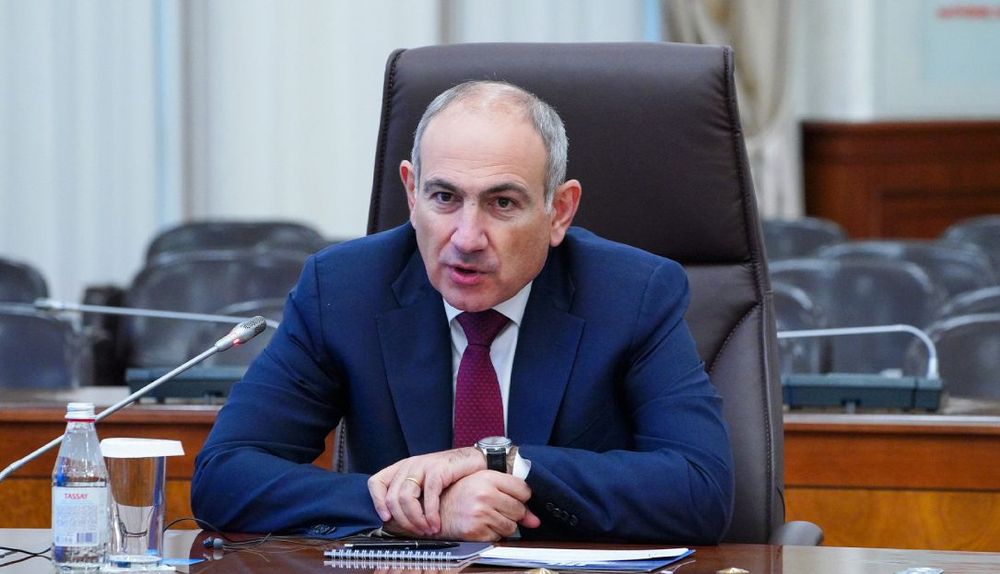
Armenian Prime Minister Nikol Pashinyan declared victory in the country's parliamentary election on Monday after his pro-European party secured nearly half the vote, overcoming what researchers described as one of the largest Russia-linked disinformation campaigns targeting Armenia.
Pashinyan's Civil Contract party won nearly 50% of Sunday's vote, defeating the pro-Russian Strong Armenia party led by Russian-Armenian billionaire Samvel Karapetyan, which received around 23% of the vote.
The election results came after months of coordinated Russia-linked online attacks that sought to undermine Pashinyan's government through fabricated news reports, manipulated videos and waves of bot activity accusing the Armenian leader of corruption, plotting against Russia and involvement in crimes ranging from sexual assault to organ trafficking.
Researchers from the organization Antibot4Navalny said Kremlin-linked actors spent eight months targeting Armenia's election. The campaign, known as Matryoshka, spread fabricated news reports and manipulated videos across social media platforms. Researchers described it as one of the most extensive influence operations they have observed in recent years.
The campaign portrayed Pashinyan's re-election as a path toward military confrontation with Russia and warned that Armenia could face consequences similar to those experienced by Ukraine if it continued strengthening ties with Europe.
Armenia recorded its highest voter turnout since 2018 despite the scale of the information operation and Russian influence.
According to researchers at the Institute for Strategic Dialogue, Russia-aligned networks also created fake media websites, impersonated journalists and legitimate news outlets and amplified false narratives through influencers and interconnected websites in an effort to make fabricated stories appear credible.
"In addition to being persistent, these operations have used a wide range of sophisticated tactics to make their fabricated claims appear genuine and to ensure they are seen by a wide audience," the researchers said.
Matryoshka is part of Russia's broader Doppelganger influence operation, which clones legitimate media and government websites to distribute propaganda under trusted brands.
The election was also disrupted by false bomb threats sent to several polling stations from foreign phone numbers and email addresses, Armenian authorities said. The Interior Ministry said the threats were fake and described them as possible attempts at "hybrid influence" intended to undermine confidence in the electoral process and create public anxiety.
Pashinyan has steadily distanced Armenia from Russia, the country's traditional security partner, after Moscow failed to prevent Azerbaijan from retaking Nagorno-Karabakh, a defeat that significantly damaged Russia's standing among many Armenians.
His government has instead pursued closer cooperation with Western partners. U.S. President Donald Trump previously endorsed Pashinyan's re-election bid, while the European Union agreed to deploy a civilian mission to Armenia to help counter foreign disinformation.
The Armenian election follows a pattern seen in Moldova last year, where authorities accused Russia of combining cyberattacks, disinformation campaigns and hoax bomb threats in an effort to influence elections ultimately won by a pro-European government.



Daryna Antoniuk
is a reporter for Recorded Future News based in Ukraine. She writes about cybersecurity startups, cyberattacks in Eastern Europe and the state of the cyberwar between Ukraine and Russia. She previously was a tech reporter for Forbes Ukraine. Her work has also been published at Sifted, The Kyiv Independent and The Kyiv Post.