
Texas sues OpenAI for deceiving consumers about safety, seeks sweeping reforms and fines
Texas sued OpenAI and its CEO on Friday, alleging the artificial intelligence behemoth markets its ChatGPT product as safe even as purported safeguards are failing to protect consumers, including children.
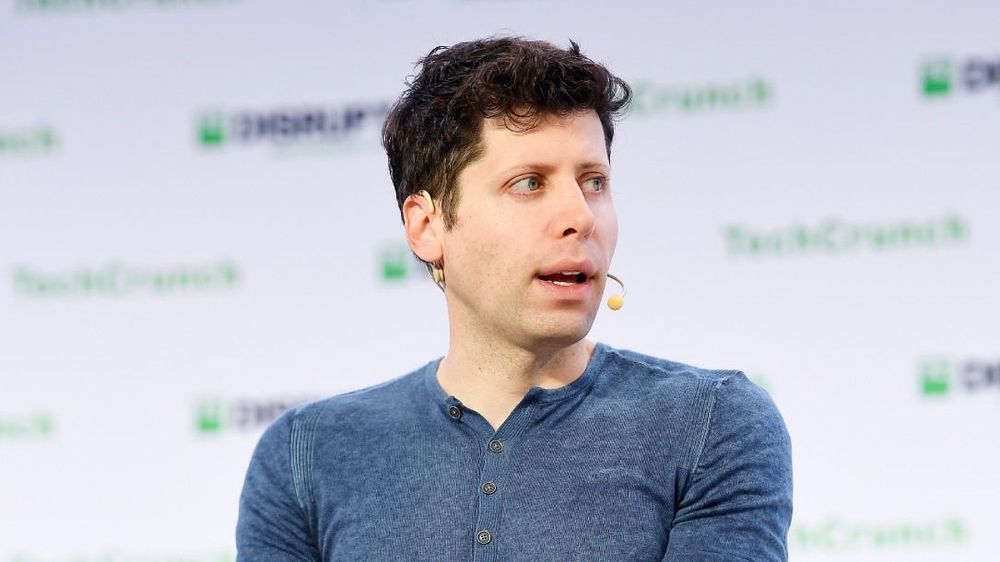
In an unusual move, the suit — brought under the state’s deceptive trade practices laws — seeks to hold founder and CEO Sam Altman personally liable for the alleged deception.
Texas is seeking civil penalties of up to $10,000 per violation and sweeping injunctive relief, including a requirement that OpenAI bar minors from accessing ChatGPT, obtain third-party approval on new models from a court-appointed expert and stop the chatbot from giving users tips on suicide, eating disorders and how to commit violence.
Attorney General Ken Paxton alleges that OpenAI also has long failed to verify identities in violation of state law.
Paxton, who is locked in a close Senate race, has sued or settled with several tech companies in the last year, including Roblox, TikTok and Meta.
In July 2024, the latter agreed to pay the state a record-breaking $1.4 billion to settle claims that it had deployed facial recognition without users’ consent.
At the top of Friday’s lawsuit, Altman’s past proclamation that AI will “probably most likely lead to the end of the world, but in the meantime, there’ll be great companies” is featured prominently in italics.
A spokesperson for OpenAI said the company “works closely with experts to continually improve ChatGPT, mitigate risks and build additional safeguards. Governments have an important role to play in setting robust safety standards for AI, and we’re committed to working with Texas and other states on advancing pragmatic AI policies that apply to the entire AI industry - not just one company."
The lawsuit noted that OpenAI’s value has surged from about $17 billion to over $1.4 trillion in four years.
“This success has not been earned; the rise of OpenAI is attributable to a web of deceit and the exploitation of users (including Texans), leveraging their data and safety to boost OpenAI’s market value at unacceptable costs and jeopardizing everyone in Texas,” the lawsuit said.
“Because of Defendants’ misrepresentations about their artificial intelligence products and their careless introduction of ChatGPT to Texas and the world,” the filing said, “mass shooters have been aided and abetted in deadly rampages, vulnerable people have been encouraged into suicide… and minors have become addicted to a tool that feigns human compassion to collect their data with no parental oversight.”



Suzanne Smalley
is a reporter covering digital privacy, surveillance technologies and cybersecurity policy for The Record. She was previously a cybersecurity reporter at CyberScoop. Earlier in her career Suzanne covered the Boston Police Department for the Boston Globe and two presidential campaign cycles for Newsweek. She lives in Washington with her husband and three children.