
Three ‘cybercrime as a service’ operations undercut by Microsoft, law enforcement
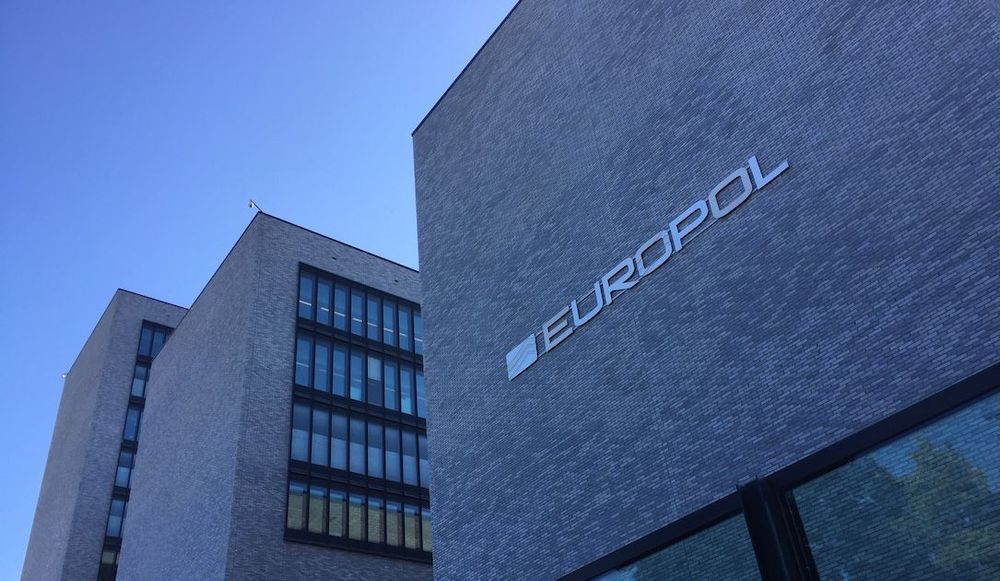
Hundreds of domains and servers were taken over as part of an international operation over the last two weeks to cripple the "assembly lines" cybercriminals rely on to deploy ransomware, commit financial fraud and attack critical infrastructure, Europol and Microsoft announced Wednesday.
Some 326 servers and 142 domains were dismantled by law enforcement, with investigators also finding crypto assets of “criminal origin” valued at €41 million ($47 million). About 27 million stolen login credentials also were reclaimed, a Europol press release said.
The two-week-long operation targeted “cybercrime as a service” infrastructure belonging to gangs distributing SocGholish, Amadey and StealC malware, according to the press release. Other cybercriminals paid to use the tools to commit further crimes.
The case reflects a new approach to combating cybercrime, “targeting the cyberattack supply chain, not just individual services,” Microsoft said in a blog post. “This action goes after the cybercrime ‘assembly line,’ where coordinated tools drive ransomware, financial fraud, and disruptions to public services.”
Infostealers like StealC have long been a problem, quietly capturing passwords, cookies and session tokens and playing a primary role in other intrusions. SocGholish and Amadey are typically used as droppers, or malware intended to allow access to networks for other malicious code.
Microsoft researchers used artificial intelligence to find that Amadey and StealC depend on the same infrastructure, the blog post said.
They’re often used together because Amadey is primarily a tool for breaking in, while StealC purloins passwords and other sensitive data. Taking down both at once will have an exponential effect, according to the Microsoft blog post.
The other disrupted malware, SocGholish, lets people break into systems by sending phony browser updates using websites that have been compromised.
Europol said it found 14,971 infected websites belonging to everyday retailers that were infected by the variant.
SocGholish is tied to Evil Corp., a Russian cybercrime gang, Europol said, which has been linked to several “large-scale” money laundering and ransomware activities.
'Disrupted together'
“When multiple parts of an operation are disrupted together, attacks are harder to launch, scale, and recover from,” the Microsoft post said. “The result: fewer disrupted services, fewer opportunities for cybercriminals to profit, and more friction when they try to rebuild.”
The Amadey and StealC malware strains were tied to more than 140,000 infected computers worldwide in the first two weeks of May alone, the blog post said. The operation turned up 18,000 victims' computers.
“Modular, pay-as-you-go models like StealC and Amadey allow threat actors to use a single initial infection to quickly escalate into multiple other threats,” Microsoft said.
The company has long worked to fight malware and cybercrime in general, but the scale of the action announced Wednesday is unusual.
The company also posted new research on Amadey and StealC on Wednesday.



Suzanne Smalley
is a reporter covering digital privacy, surveillance technologies and cybersecurity policy for The Record. She was previously a cybersecurity reporter at CyberScoop. Earlier in her career Suzanne covered the Boston Police Department for the Boston Globe and two presidential campaign cycles for Newsweek. She lives in Washington with her husband and three children.