
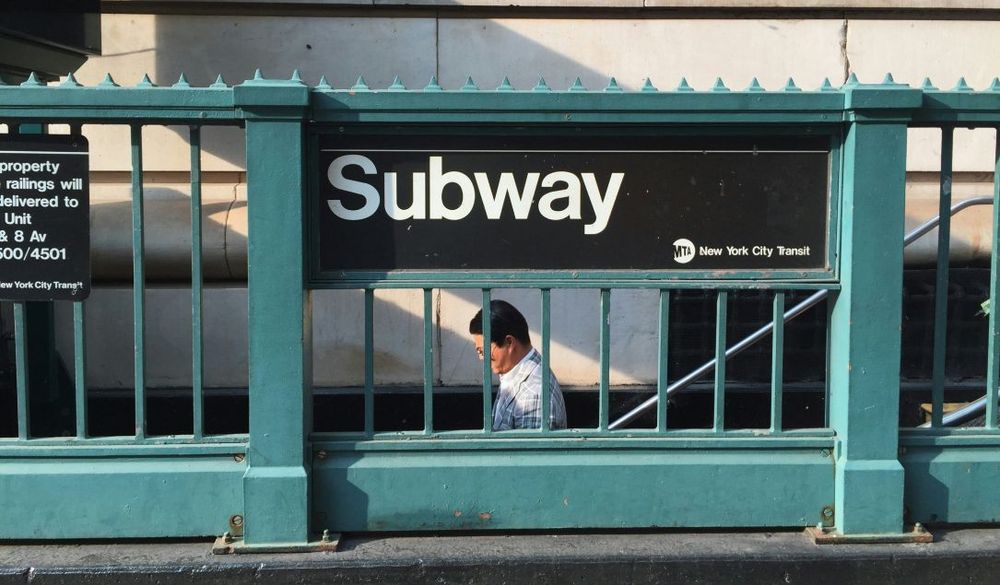
NYC explores using AI cameras to spot subway fare evaders
The New York Metropolitan Transportation Authority (MTA) is testing subway gates that use cameras powered by artificial intelligence to collect data on people suspected of not paying fares, sparking concern among privacy advocates that pedestrians will be constantly monitored.
Officials at Cubic, the manufacturer of the gates, reportedly say their product has cameras that record for five seconds when someone neglects to pay a fare. Artificial intelligence is used to produce a physical description of suspected fare evaders, they say, and the description is sent to the MTA.
In December, the MTA put out a call to vendors seeking information on products which “will leverage advanced computer vision and artificial intelligence (AI) technologies” to help detect “unusual or unsafe behaviors.”
For New Yorkers, the MTA’s moves are just the latest example of an expanding surveillance apparatus deployed by both government agencies and retailers throughout the city.
In early January, the large grocery store chain Wegmans began posting signs letting New York customers know that they had deployed cameras equipped with facial recognition technology in some stores.
“The system collects facial recognition data and only uses it to identify individuals who have been previously flagged for misconduct,” a Wegmans spokesperson said in a statement.
Wegmans does not collect retinal scans or voice prints, the statement said. The store would not say how long the data is retained for.
New York City law requires stores to notify customers when facial recognition technology is in use. Michelle Dahl, executive director of the Surveillance Technology Oversight Project (S.T.O.P.), said that other retailers in New York that are using facial recognition include T-Mobile, Madison Square Garden, Walmart, Home Depot, Fairway and Macy's.
There has been a massive uptick in biometric surveillance by retailers and the MTA recently, Dahl said, and many New Yorkers are not paying attention.
“New Yorkers are generally sleepwalking into this surveillance state, and it's time for us to wake up and take action on it,” she said.
Facial recognition technology is less accurate at recognizing minorities and particularly Black people, prompting concerns that fare evasion cameras could flag the wrong individuals to law enforcement.
The New York Police Department has long used biometric surveillance technologies, including facial recognition, to profile and track New Yorkers.
S.T.O.P. and Amnesty International released records in November revealing the extent of the NYPD’s program after winning a five-year-long lawsuit.
The records revealed that by April 2020, the NYPD had spent more than $5 million on facial recognition technology and that it spent at least $100,000 more each year, S.T.O.P. and Amnesty said.



Suzanne Smalley
is a reporter covering digital privacy, surveillance technologies and cybersecurity policy for The Record. She was previously a cybersecurity reporter at CyberScoop. Earlier in her career Suzanne covered the Boston Police Department for the Boston Globe and two presidential campaign cycles for Newsweek. She lives in Washington with her husband and three children.