
CIA official touts agency’s Cyber Mission Center in capture of Venezuela’s Maduro
CIA cyber operators created a “flawless intelligence picture” that led to the capture of Venezuelan President Nicolás Maduro earlier this year, the agency’s deputy chief said on Tuesday.
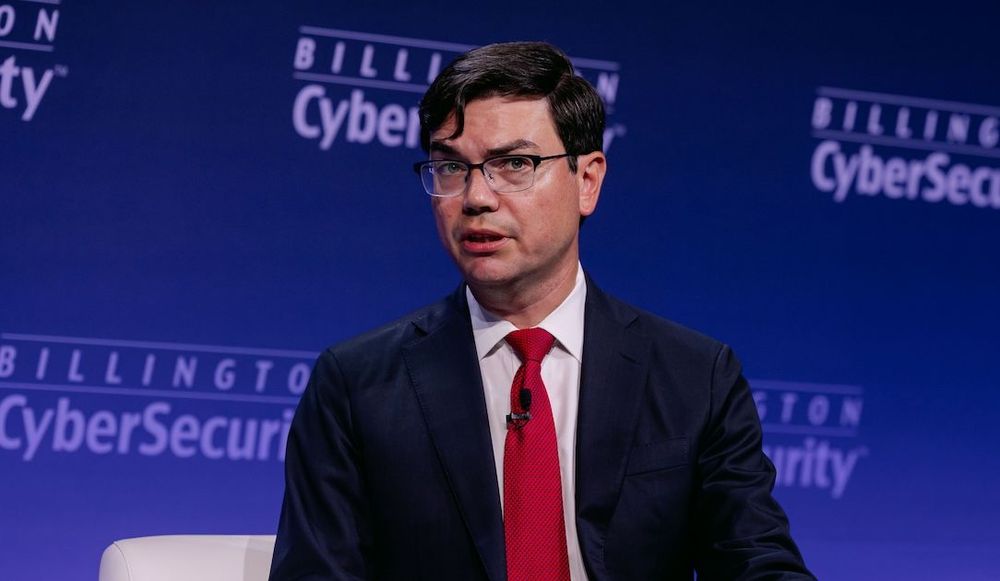
Operation Absolute Resolve, in which the U.S. plucked Maduro and his wife from their bunker in the capital Caracas in January, was only made possible by a “flawless intelligence picture and that flawless intelligence picture was built on cyber operations enabled” by the CIA’’s Cyber Mission Center, agency Deputy Director Michael Ellis said at the Billington Cybersecurity Summit in Washington, D.C.
“Without that kind of operational picture, being driven by cyber, we wouldn't have been able to help enable U.S. special forces to identify the location of Nicolas Maduro and apprehend him within four minutes of landing on the ground,” he added.
Ellis’ comments mark the most public acknowledgement to date of the role that digital resources played in one of the major military operations that have come to define the second Trump administration. The U.S. has since unsealed narcoterrorism charges against Maduro and his wife, which they are seeking to dismiss under immunity claims.
The remarks are also a rare public recognition of the CIA’s cyber activities, which are traditionally among the agency’s most closely-held secrets. Director John Ratcliffe elevated the agency’s longstanding Center for Cyber Intelligence into its own mission center late last year.
That promotion “allowed us to both focus priority on the cyber mission as well as to better align resources around that mission,” Ellis told the audience.
Its status as a standalone mission center “smooths out reporting chains, helps us move more agilely, and … helps us align the resources to make sure that we can bring cyber operations to bear to solve these tough intelligence problems.”
‘AI will permeate’
Eliss, who earlier this year boasted the agency had produced a fully AI-generated intelligence report, lauded the technology for providing a “host of advantages.”
“In cyber operations, it brings speed and scale that would be unimaginable without these AI tools,” he said.
“But it also brings tremendous advantages to our ability to collect intelligence, to our operations” and the CIA’s analysis.
Ellis stressed the agency would have “appropriate safeguards” in place, including making sure a human is in the information loop and developing a “variety of different approaches” so it isn’t locked into one particular model or vendor.
Ellis said he and Ratcliffe “fully expect that AI will permeate how the CIA is doing this work and it will change every aspect of intelligence.”
“Our officers have to be positioned to do that.They have to have the mindset and enthusiasm to embrace these AI tools, he noted.” We also have to make sure we put the AI tools in their hands and to do so quickly, so that they have the cutting-edge tools they need to be able to succeed in this competition.”



Martin Matishak
is the senior cybersecurity reporter for The Record. Prior to joining Recorded Future News in 2021, he spent more than five years at Politico, where he covered digital and national security developments across Capitol Hill, the Pentagon and the U.S. intelligence community. He previously was a reporter at The Hill, National Journal Group and Inside Washington Publishers.