
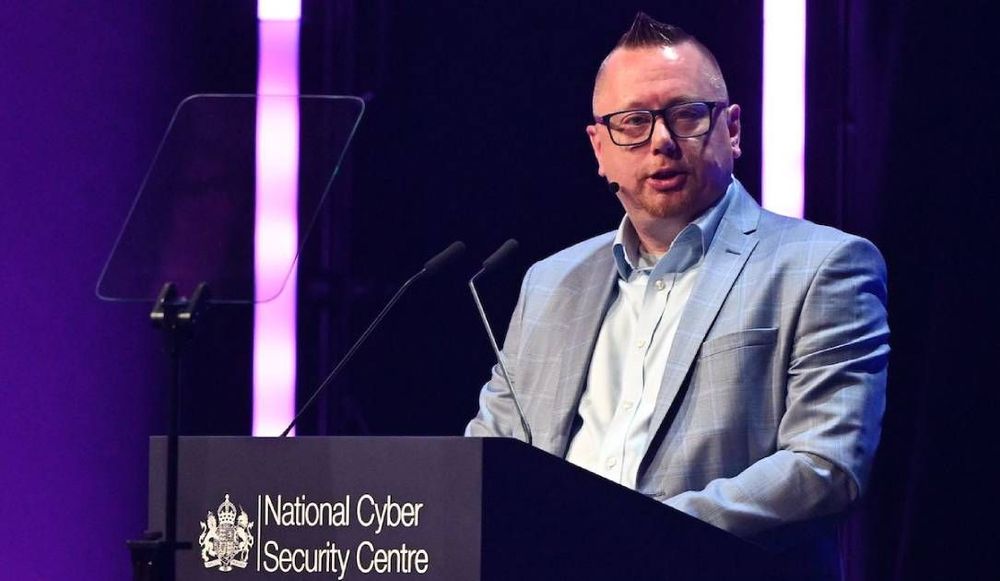
British cyber agency warns of looming ‘patch wave’ as AI speeds flaw discovery
Britain’s cyber agency warned Friday that organizations should prepare for a surge of urgent software updates as artificial intelligence accelerates the discovery of security flaws, raising the risk of widespread exploitation.
In a blog post, Ollie Whitehouse, chief technology officer at the National Cyber Security Centre (NCSC), said the use of AI tools “by sufficiently-skilled and knowledgeable individuals” is increasing the likelihood that vulnerabilities will be identified and exploited at scale.
Whitehouse said that as large numbers of previously hidden flaws are uncovered in quick succession, companies and governments will be forced to update systems at speed.
“This is why we are encouraging all organisations to prepare now for when a ‘patch wave’ arrives; a rush of software updates that will need to be applied across the technology stack to address the disclosure of new vulnerabilities,” he wrote.
Advances in AI are making it significantly easier to identify weaknesses in widely used software, potentially compressing what would once have taken years into a much shorter timeframe.
The NCSC warned that decades of accumulated “technical debt” — insecure or outdated code embedded in digital infrastructure — have created a large pool of latent vulnerabilities. As new tools expose those weaknesses more rapidly, organizations may face an unprecedented volume of updates.
The agency urged organizations to prioritize internet-facing systems, adopt automated update processes where possible and prepare for more frequent patching cycles. It also cautioned that some legacy technologies may no longer be viable if they cannot be secured.
The warning comes amid a broader deterioration in the U.K.’s cyber threat landscape. Officials say the country is experiencing a record number of serious cyber incidents, with nationally significant attacks occurring multiple times each week — the majority being driven by hostile foreign states.
Richard Horne, head of the NCSC, has called for a “full court press” to counter rising risks, arguing that only sustained, collective pressure across multiple fronts can blunt adversaries’ capabilities.
The NCSC said preparing for a patch wave now could help limit disruption later, warning that delays in applying fixes during periods of heightened vulnerability discovery could significantly increase the risk of compromise.



Alexander Martin
is the UK Editor for Recorded Future News. He was previously a technology reporter for Sky News and a fellow at the European Cyber Conflict Research Initiative, now Virtual Routes. He can be reached securely using Signal on: AlexanderMartin.79